
Cape Town beyond the mountain
Allow time for the Cape Peninsula, Kirstenbosch and a properly guided introduction to the city’s history. Keep Table Mountain flexible: wind can close the cableway even on a clear day.
Cape Town, the Winelands and private reserves: South Africa rewards a journey planned around its distinct regions and seasons.
South Africa brings several quite different journeys within reach of one holiday: Cape Town’s Atlantic coastline, the farm kitchens and vineyards around Franschhoek, and wildlife country along the western edge of Kruger National Park. We usually build a first visit around these three areas, choosing domestic flights carefully and leaving enough time for both early game drives and an afternoon with nothing arranged.
At Dev Travels, we begin with your priorities rather than a fixed circuit: photography, food, children’s ages or the wish for a quieter safari vehicle. Bharat Dev’s team then coordinates guides, transfers and lodge arrangements around them. The honest caveat is seasonal: the Cape’s warm, dry summer coincides with wetter, leafier conditions around Kruger, so there is no single month that delivers every region at its best.
Allow time for the Cape Peninsula, Kirstenbosch and a properly guided introduction to the city’s history. Keep Table Mountain flexible: wind can close the cableway even on a clear day.
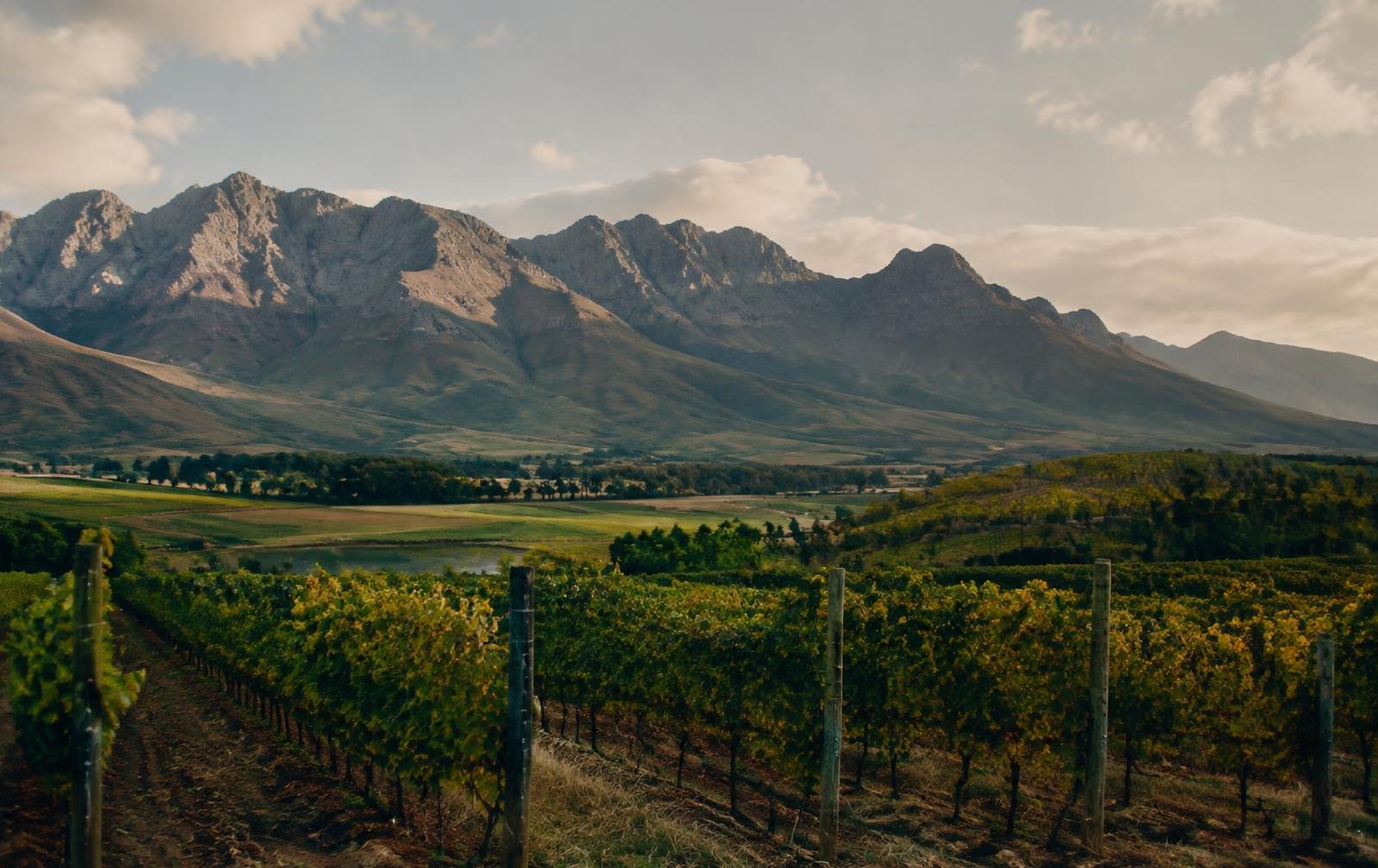
Stay around Franschhoek or Stellenbosch for estate visits, Cape Dutch architecture and long lunches. A driver makes tastings straightforward; non-drinkers can focus on gardens, galleries and food.
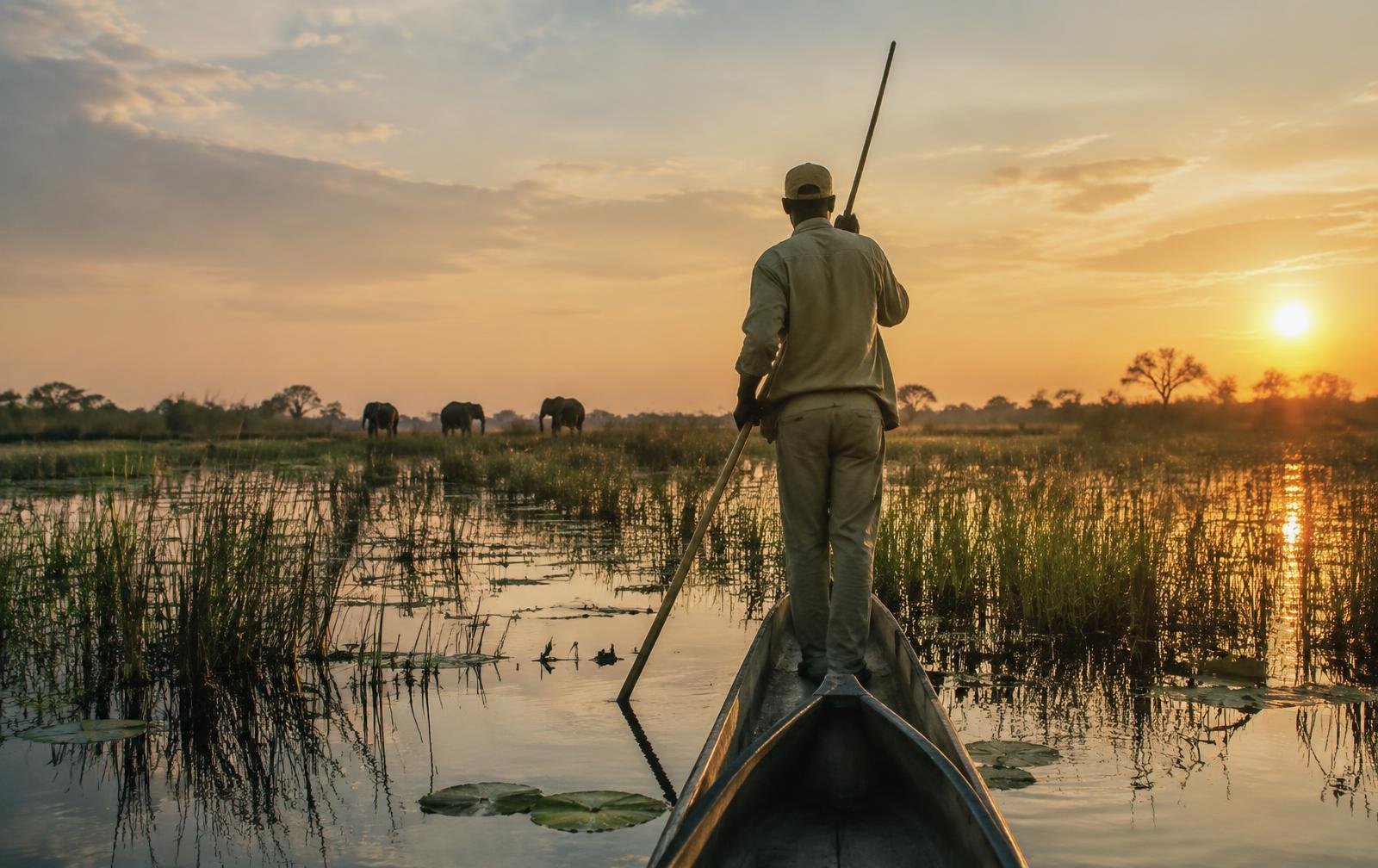
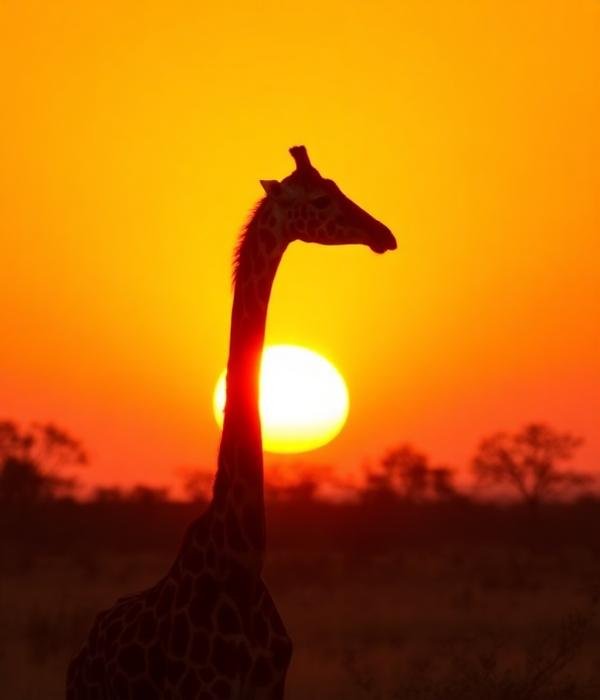
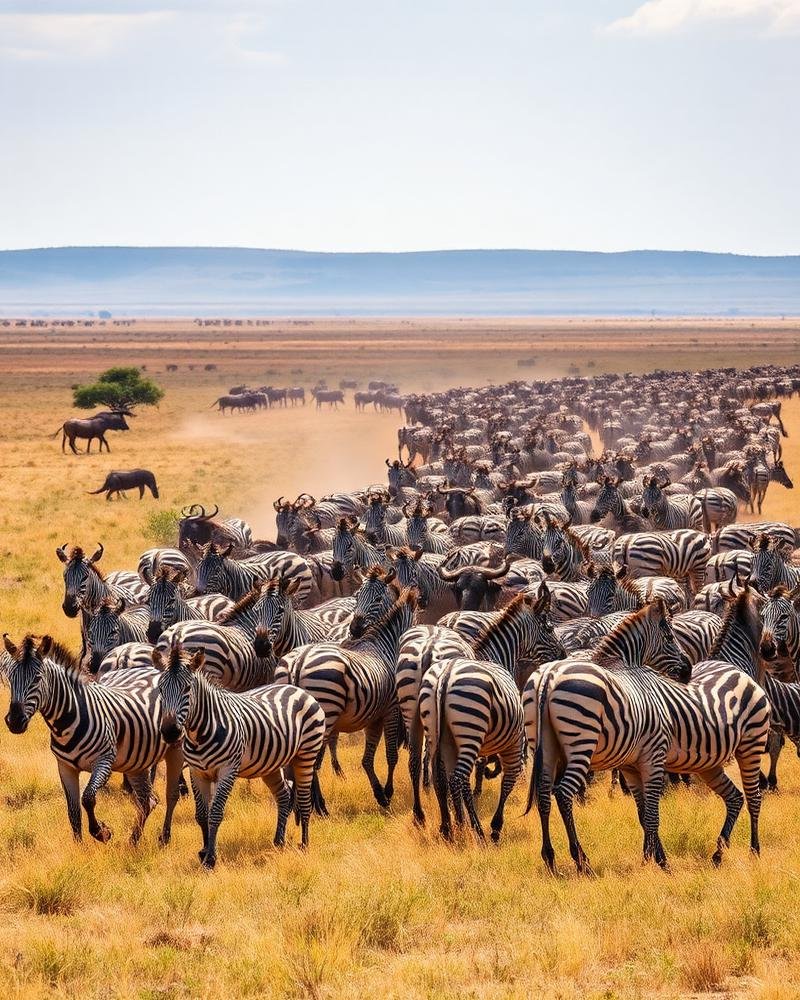
Sabi Sand and the Timbavati offer guided drives in reserves adjoining Kruger. Lodge location, guiding quality and vehicle occupancy matter more than a long list of room amenities.
Travel via the Atlantic coast and Chapman’s Peak when the road is open, continuing to Cape Point and Boulders. An early departure helps with traffic and busy viewing areas.
Explore District Six and Bo-Kaap with a knowledgeable local guide. Robben Island can be added separately, subject to ferry operations and ticket availability.
Choose two estates around Stellenbosch or Franschhoek rather than attempting a circuit of many. Book a cellar visit where available and leave time for lunch without watching the clock.
Discuss photographic interests and vehicle preferences before booking. Time spent watching elephant behaviour or following tracks is often more rewarding than chasing a species count; sightings are never guaranteed.
We change every plan to suit you. Tell us what to add, remove or slow down.
Settle into Cape Town for four nights. Arrange a guided city walk, a weather-dependent Table Mountain ascent and a full day through the Cape Peninsula, including Cape Point and the penguin colony at Boulders. Leave an afternoon for Kirstenbosch or the waterfront.
Transfer by road to Franschhoek for three nights. Pair a small number of pre-booked estate visits with time in Stellenbosch, a garden visit and an unhurried lunch. Avoid stacking tastings across widely separated estates.
Return to Cape Town airport and fly to Skukuza or another suitable regional gateway, subject to schedules, then transfer to your reserve lodge. Spend five nights in one camp rather than losing game-drive time to a lodge change. Expect early starts, afternoon drives and quiet hours between them.
Transfer to the appropriate safari airport and connect through Johannesburg for the journey to India. Protect the international connection with a generous buffer; some schedules are better served by an overnight stop.
In Cape winter, allow for rain and indoor alternatives. For a December–February departure, consider adding a Cape night and shortening the safari; wildlife viewing remains worthwhile, but summer vegetation is denser.
Tell us your dates and who is travelling. Our travel expert will call you with the best plan, hotels and price for South Africa.