
Giza, with time for Saqqara
Pair the Giza plateau with a separate visit to Saqqara’s Step Pyramid and selected tombs. Interiors can involve steep passages, heat and confined spaces; entering a pyramid is optional, not essential.
Egypt rewards time: Cairo’s layered streets, Luxor’s painted tombs and a slower passage south along the Nile.
Egypt is most compelling when the monuments have room around them. A morning at Giza belongs alongside an afternoon exploring Islamic Cairo; the painted chambers of the Valley of the Kings deserve more than a hurried stop between transfers. We plan private journeys with an Egyptologist, carefully timed site visits and a choice between a small Nile sailing boat and a larger, more predictable cruise vessel.
For a first visit, we usually suggest ten nights linking Cairo, Luxor and Aswan, with several nights on the river. From India, flight connections are manageable, and October to April brings kinder sightseeing temperatures. The caveat is that Egypt rarely feels effortless: traffic, security checks and busy archaeological sites are part of the experience. We build in breathing space rather than promise empty temples or seamless roads.
Pair the Giza plateau with a separate visit to Saqqara’s Step Pyramid and selected tombs. Interiors can involve steep passages, heat and confined spaces; entering a pyramid is optional, not essential.
Balance Karnak and the Valley of the Kings with Medinet Habu and the artisans’ village at Deir el-Medina. Tomb openings rotate, and some of the finest chambers require additional tickets.
Travel between Luxor and Aswan with calls at Edfu and Kom Ombo. A dahabiya offers fewer guests and a quieter rhythm, but wind, locks and mooring permissions can alter its schedule.
Spend a focused morning examining burial scenes and royal imagery on Luxor’s west bank. We select accessible, open tombs around your interests rather than simply maximise the number visited.
Explore sections of Al-Muizz Street, its mosque complexes and historic houses with a guide. Modest dress is needed at religious sites, and walking conditions include uneven paving and busy crossings.
Visit the rock-cut temples of Ramesses II and Nefertari from Aswan by road or flight, subject to schedules. The road journey typically takes around three to four hours each way: worthwhile for many, but not a light half-day outing.
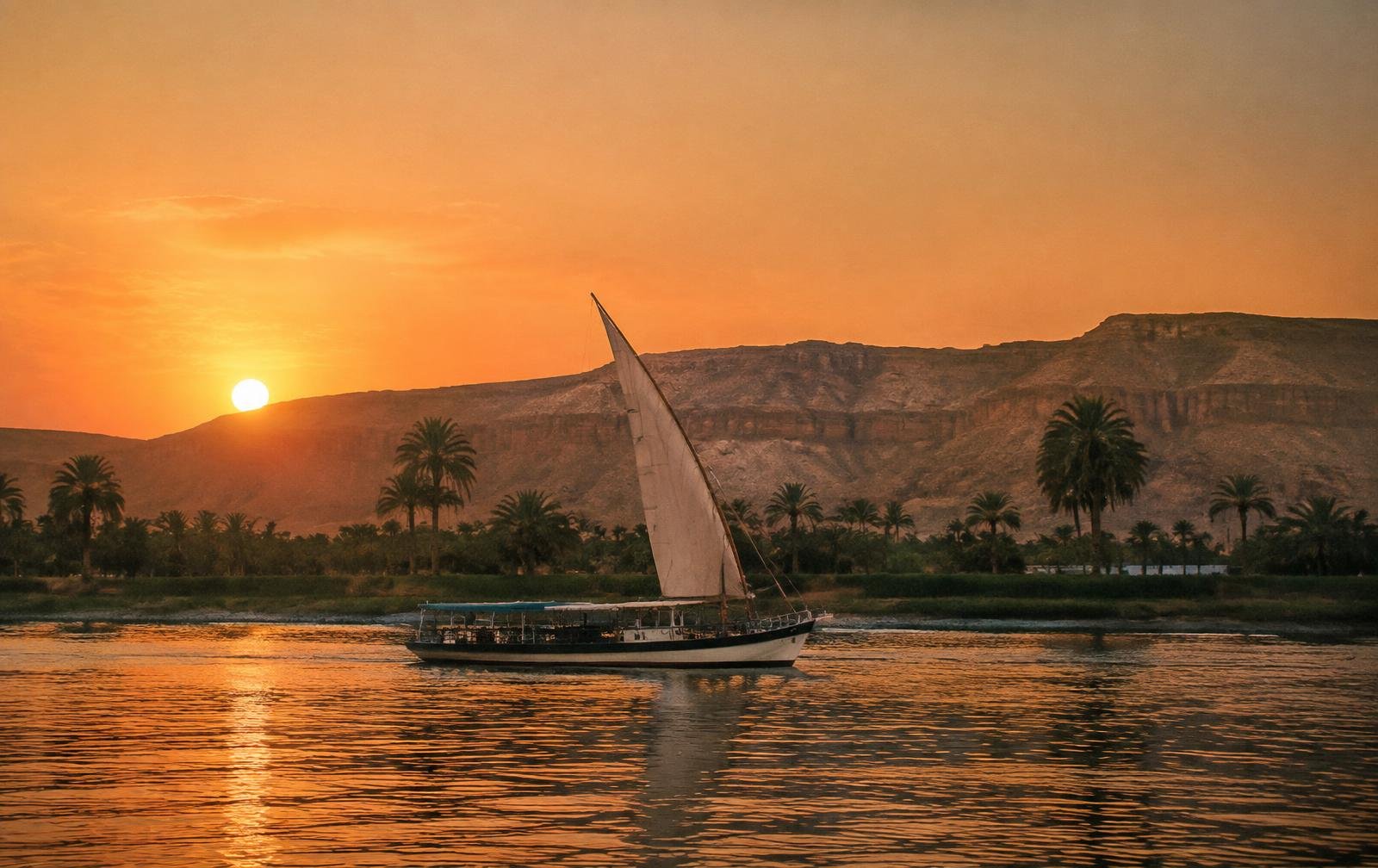
Take a private felucca around the Nile islands in softer afternoon light. Wind determines the route; boarding can be awkward for travellers with limited mobility.
We change every plan to suit you. Tell us what to add, remove or slow down.
Arrive in Cairo and settle in for three nights. Give Giza an early start, reserve a separate outing for Saqqara, and allow time for the Grand Egyptian Museum. Fit a guided walk through Islamic Cairo around traffic and energy levels.
Fly to Luxor for two nights ashore. Visit Karnak and Luxor Temple, then cross to the west bank for the Valley of the Kings and Medinet Habu. Keep the hottest part of each afternoon free.
Board a four-night Luxor–Aswan cruise, with Edfu and Kom Ombo along the route and Aswan sightseeing towards the end. We coordinate the ship’s programme with your earlier Luxor visits to avoid unnecessary repetition; sailing times and lock queues vary.
Disembark for a final night in Aswan, with Philae if not already visited and a late-afternoon felucca outing when conditions suit. Depart via Cairo on day 11. Abu Simbel needs an additional early-start excursion or extra night; separate flight tickets may warrant a Cairo overnight.
Add three nights around Hurghada or El Gouna for swimming and boat-based snorkelling, with routing arranged from Luxor or Cairo. Winter water can feel cool, and wind occasionally restricts boat trips.
Tell us your dates and who is travelling. Our travel expert will call you with the best plan, hotels and price for Egypt.