
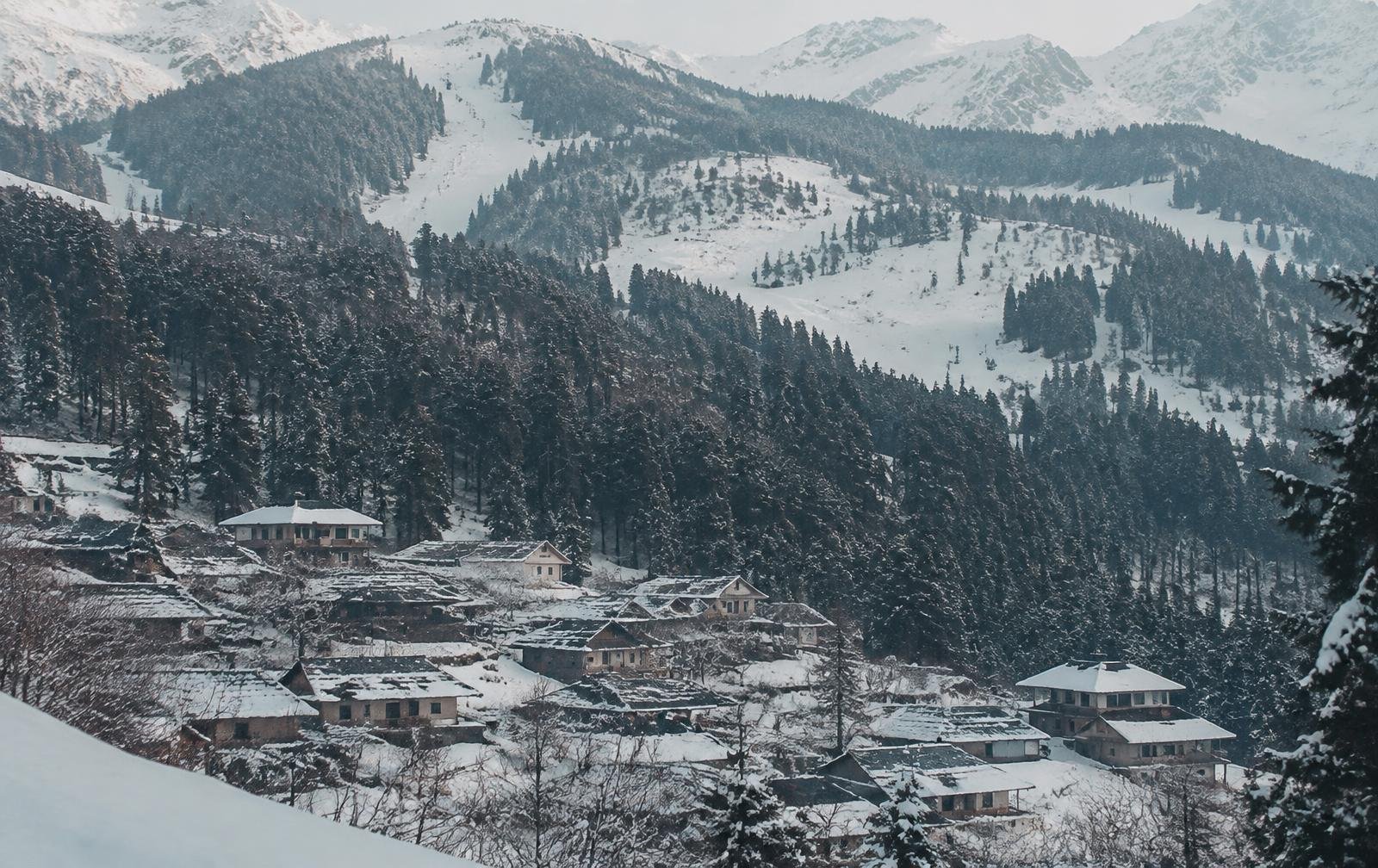
Kinnaur before the high desert
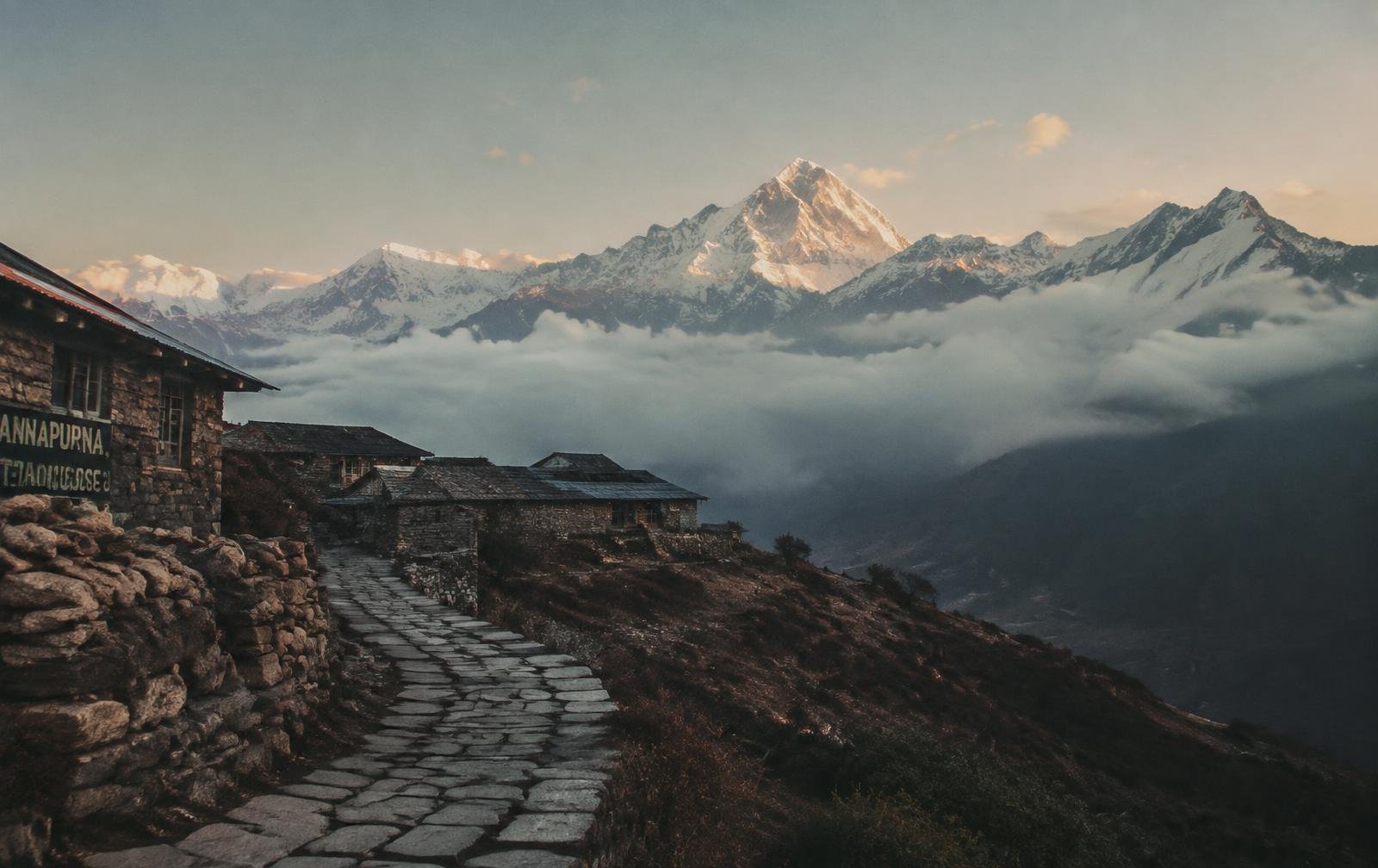
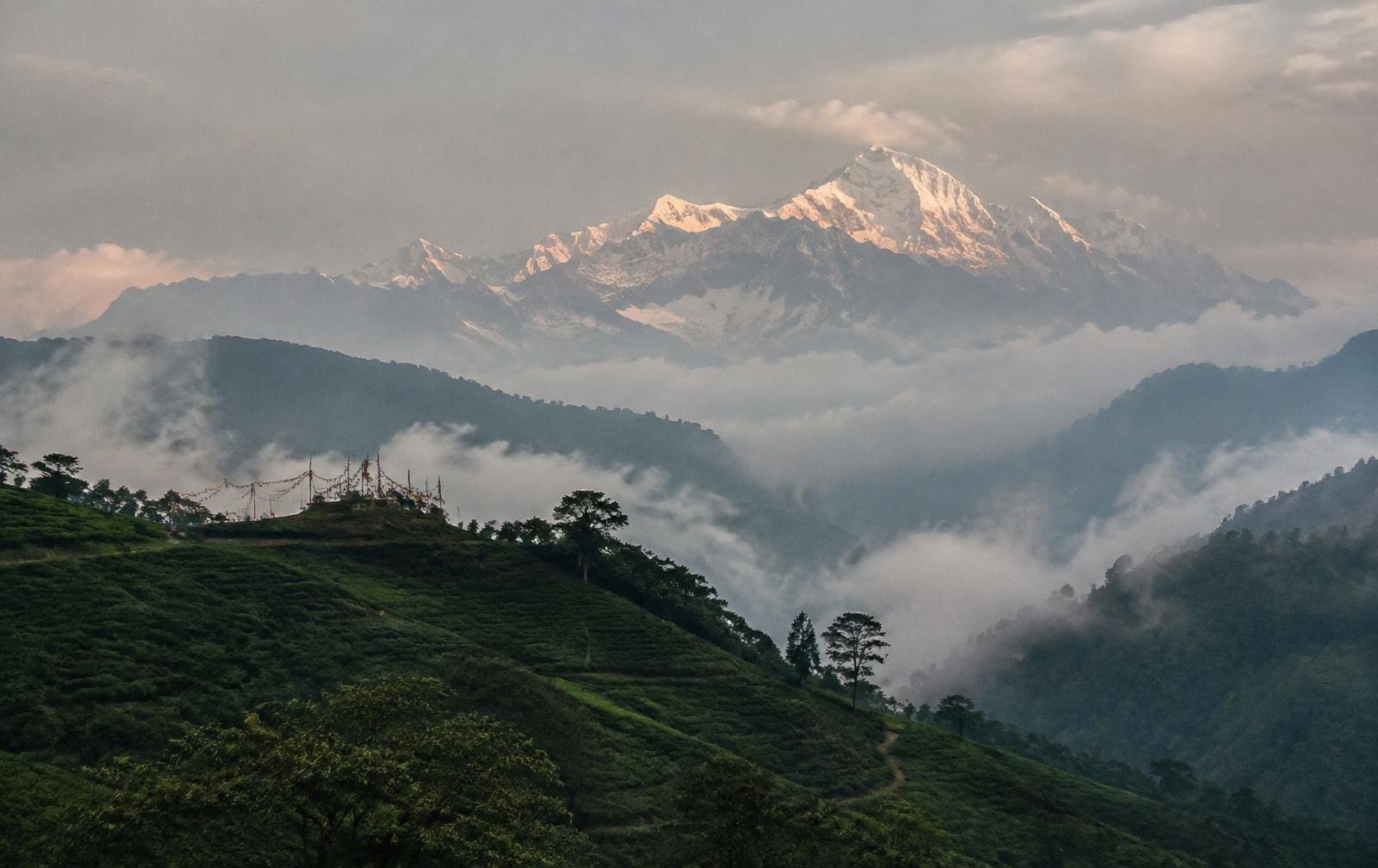
Spend several nights among Sangla’s orchards and Kalpa’s village lanes. Forest walks and views towards Kinner Kailash give the approach its own purpose, while allowing a more gradual ascent.
From Kinnaur’s orchards to Spiti’s high monasteries, a Himalayan journey planned around altitude, road conditions and time to pause.
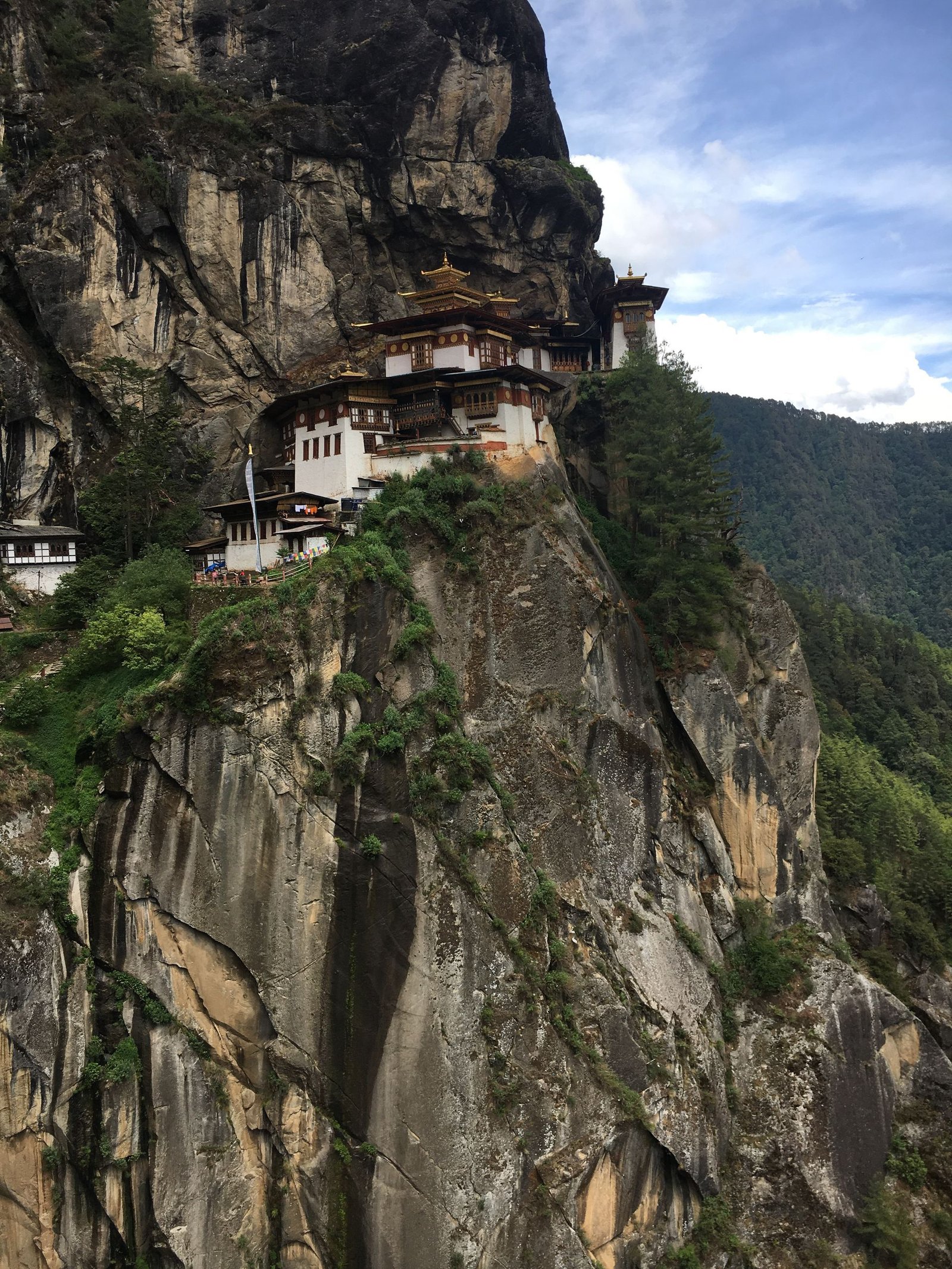
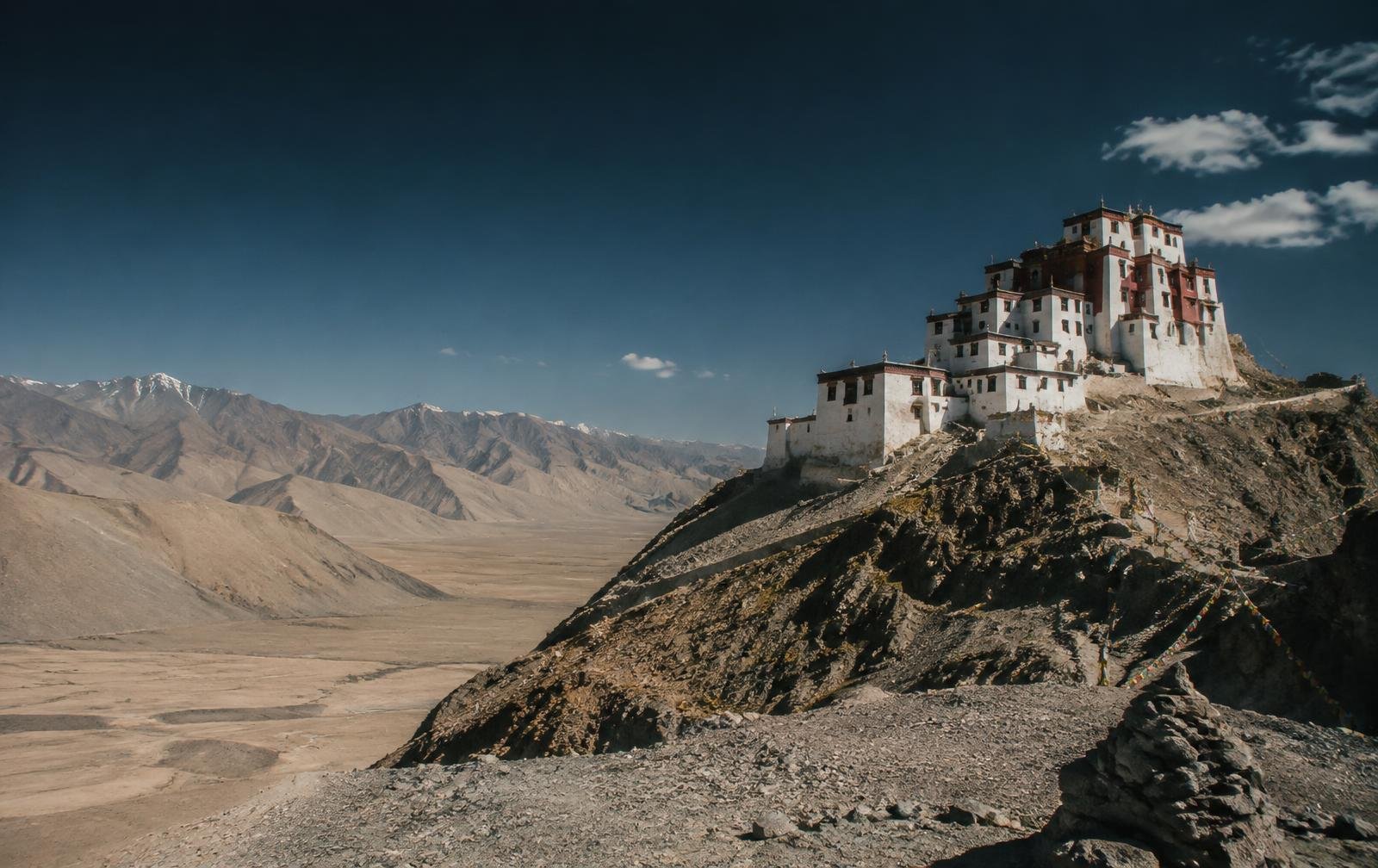
Himachal changes character as you travel east: cedar forest above Shimla, apple terraces in Kinnaur, then the bare, folded mountains of Spiti. At Tabo, a monastery founded in 996 shelters remarkable murals; beyond Kaza, villages sit above 4,000 metres. We favour the gradual approach through the Sutlej valley, giving these landscapes time rather than treating the journey as a circuit to complete.
We arrange walking, monastery visits and unhurried village stops around your interests. The caveat is straightforward: Spiti cannot offer the polished comfort of lower Himachal, and landslides or early snow can change even a carefully prepared itinerary.
Spend several nights among Sangla’s orchards and Kalpa’s village lanes. Forest walks and views towards Kinner Kailash give the approach its own purpose, while allowing a more gradual ascent.
Visit the old monastery with a local guide, allowing time for its dimly lit murals and sculpted figures. Opening arrangements depend on monastery routines; photography inside is restricted.
Use Kaza as a base for Key monastery, Kibber and quieter village walks. Higher excursions come after acclimatisation, with the option to stay lower rather than chase every viewpoint.
Ready plans with hotels and prices. Book one as it is, or ask us to change it.
Chandigarh → Shimla → Kufri → Kullu → Manali → Chandigarh
Hotels we book here. We confirm the exact hotel, room and price with your quote.
As listed or similar, subject to availability.
Take a locally guided walk between orchards and village lanes around Sangla and Batseri. Distance and ascent are adjusted to the group; riverbank access depends on water levels and local advice.
Pair Tabo’s early Buddhist art with Key’s hillside complex. A knowledgeable guide adds context, while visits remain subject to prayers, ceremonies and the wishes of resident monks.
Arrange a hosted meal built around locally available grains, pulses and seasonal produce. Menus vary by household; this is a conversation over lunch rather than a staged cooking performance.
Work with morning and late-afternoon light around Kaza and its neighbouring valleys. We allow time for changing weather and seek permission before photographing people, homes or religious interiors.
We change every plan to suit you. Tell us what to add, remove or slow down.
Meet your driver at Chandigarh and allow roughly four to five hours to reach Shimla, traffic permitting. Settle into a private house outside the busiest streets, then explore the Ridge, colonial-era buildings and cedar paths.
Drive through the Sutlej valley to Sangla, a substantial mountain-road day. Spend the following day around Batseri and the Baspa river, keeping walks gentle. Chitkul is an optional higher excursion, not an essential stop.
Continue to Kalpa, at approximately 2,960 metres. Allow two nights for village lanes, orchard walks and mountain views, with a deliberately light schedule before entering Spiti.
Follow the road through upper Kinnaur, stopping briefly at Nako if conditions allow, before descending to Tabo at about 3,280 metres. Stay two nights and visit the monastery without rushing straight onwards to Kaza.
Continue to Kaza at approximately 3,650 metres. Keep the first afternoon quiet, then visit Key monastery and, if everyone is acclimatising well, Kibber or Langza. Short walks replace strenuous trekking on this itinerary.
Retrace the road towards Kalpa, allowing a full day, often nine to eleven hours with stops. This avoids making the journey dependent on Kunzum Pass opening, though the Kinnaur road also remains vulnerable to disruption.
Tell us your dates and who is travelling. Our travel expert will call you with the best plan, hotels and price for Himachal & Spiti.