

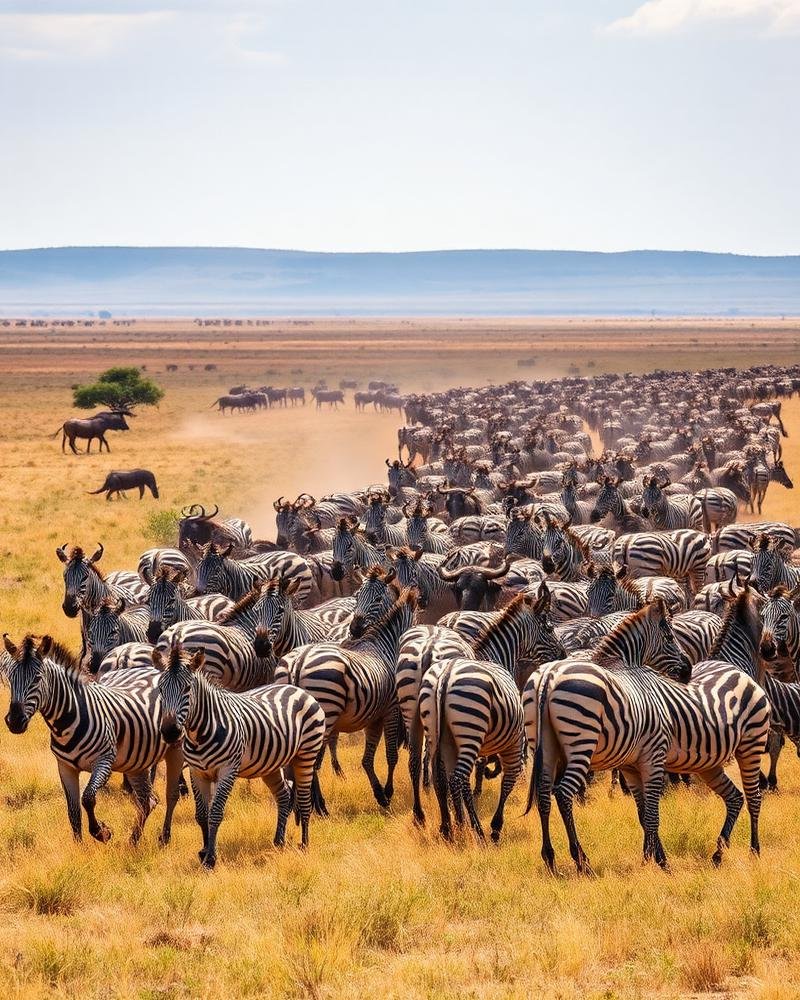
The guide is the trip
Named guides and trackers requested by us months ahead, matched to whether you want birds, cats or photography.
Guides first, camps second — because the difference between a good safari and a great one is the person in the driving seat.
People choose camps from photographs and then spend six days with a guide they didn't choose. We do it the other way round: we book the guide we rate, then build the itinerary around where they are.
We also plan for the parts nobody photographs — the light aircraft weight limits, the three-hour transfer at the wrong end of the day, the camp that looks remote and sits beside four others.
Conservancies over crowded parks where we can, private vehicles as standard, and enough nights in one place that you stop ticking and start watching.
Named guides and trackers requested by us months ahead, matched to whether you want birds, cats or photography.

No sharing a bench with strangers and no compromise on when you leave camp or how long you sit with a sighting.
Private land with off-road and night-drive rights, so a leopard sighting isn't shared with eleven vehicles.
The same person takes you from the first phone call to the debrief after you land. Nothing is handed over, and nothing has to be explained twice.
Migration river crossings, leopards, wild dogs, birds — the answer changes both the country and the month.
We secure the guide first and then confirm camps in the right sequence around them.
Light aircraft schedules, luggage limits and camera gear planned properly so nothing is left behind.
Bean bags, charging, and a vehicle set up for long lenses if that is how you travel.
From about six, in family-friendly conservancies with flexible drive lengths and guides who teach tracking.
It is the single best upgrade on any safari. You control the timing, the direction and how long you stay with a sighting.
Yes — low vehicles, bean bags, charging in camp, and guides who understand light rather than checklists.
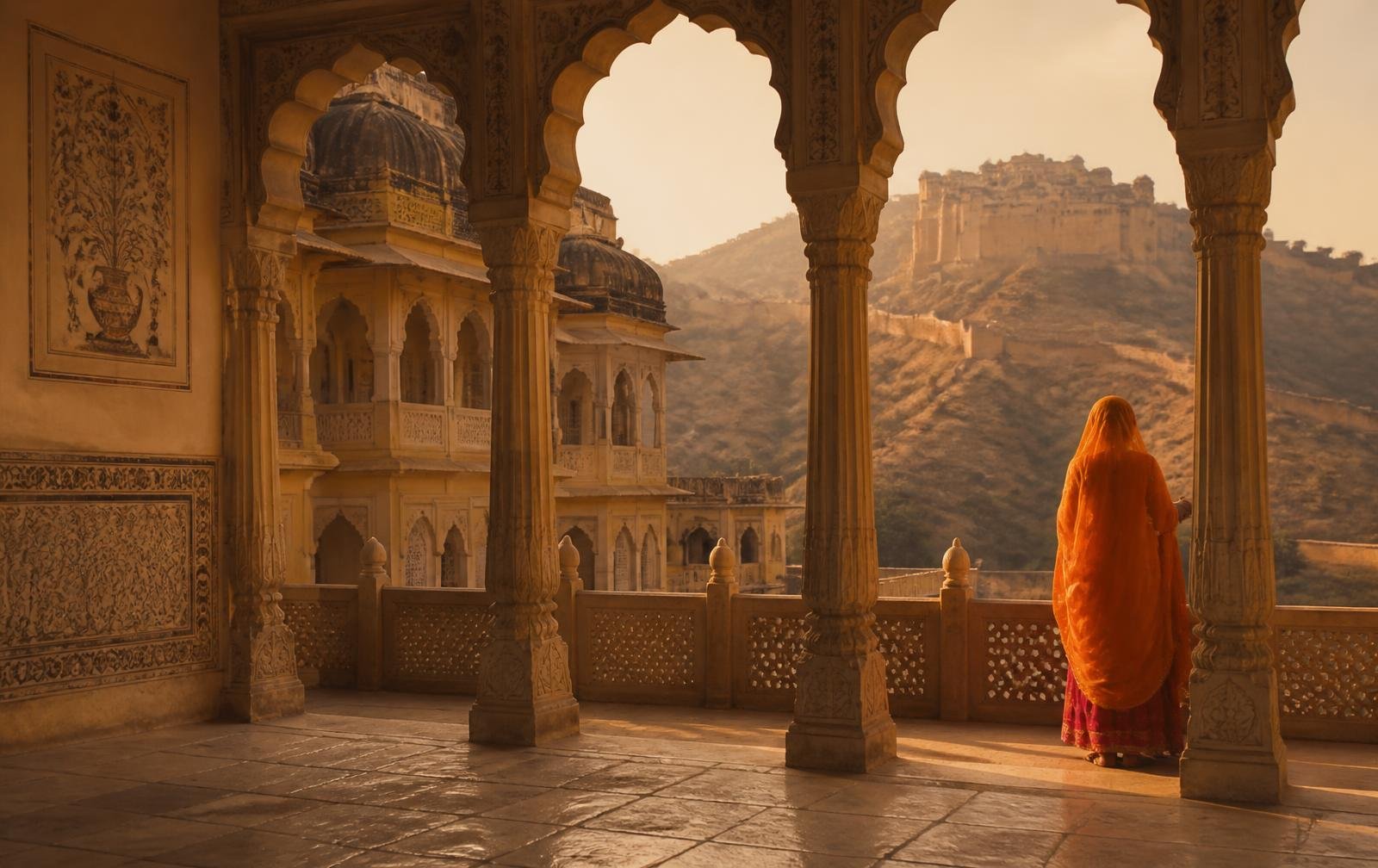
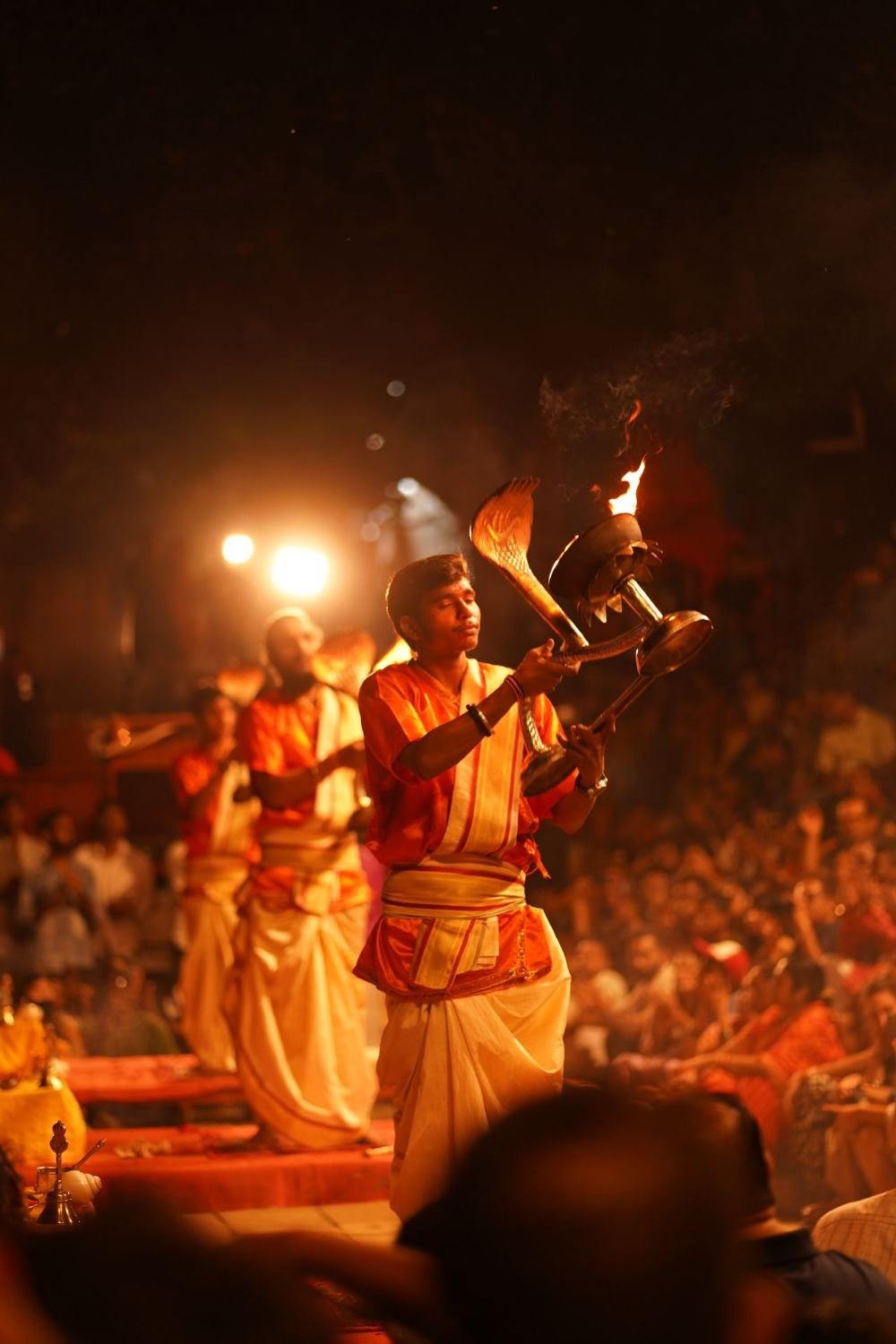
Char Dham, Kailash, Camino, Umrah — devotion planned with medical honesty and real comfort.

Three generations, one trip, nobody bored — built around nap times, teenagers and grandparents in equal measure.

Six friends, a good house and a table that never gets cleared — planned by women who have run the group chat.
Tell us where and when. Our travel expert will plan it for you, and the first conversation is free.