
Muscat, facing the sea
Visit the Sultan Qaboos Grand Mosque during permitted non-Muslim visiting hours, then explore Muttrah’s souq and corniche. A private coastal boat trip adds a different view of the capital.
Oman pairs Muscat’s maritime history with limestone mountains, date-growing oases and desert camps reached without an exhausting succession of transfers.
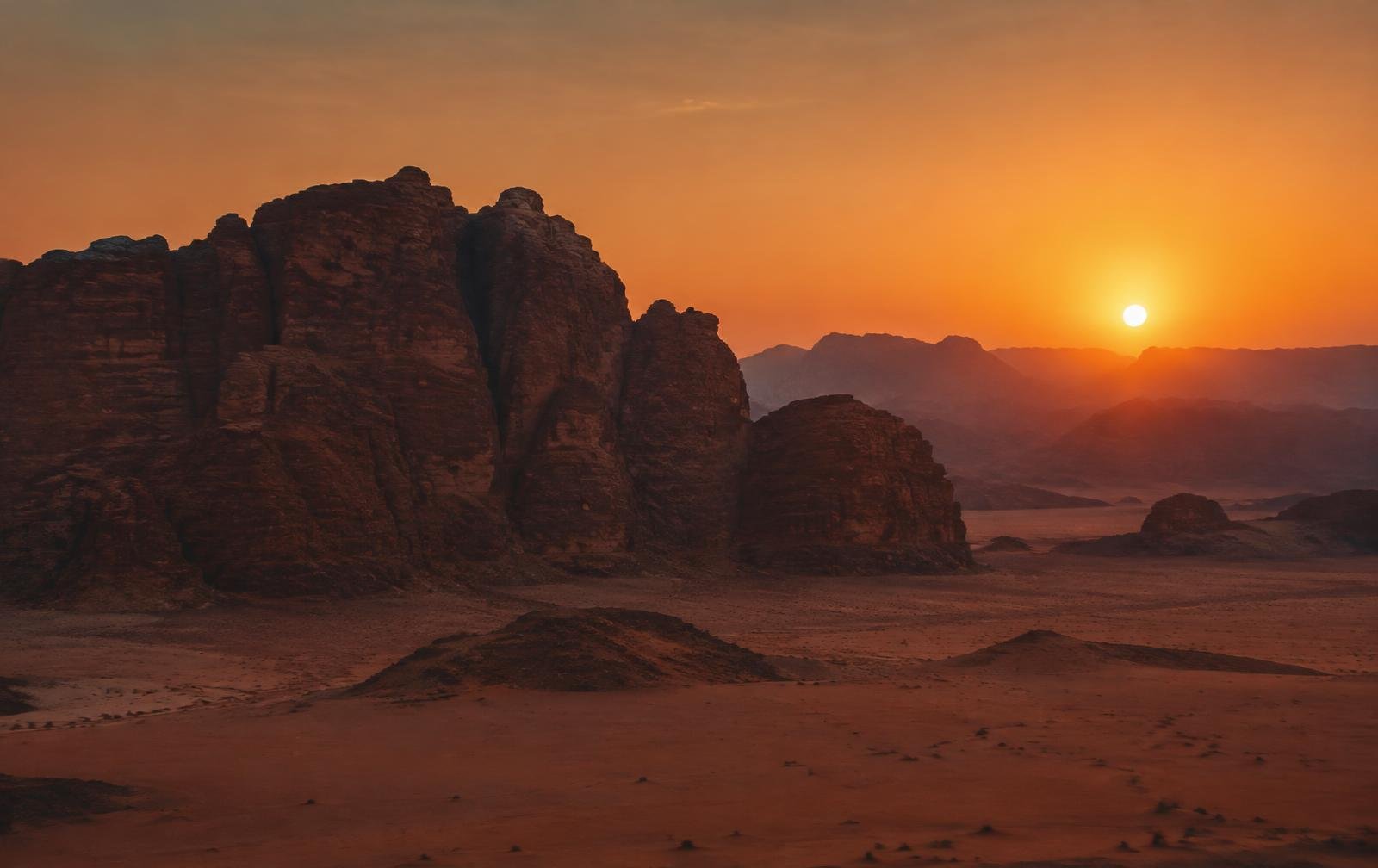
Oman rewards a journey that leaves room between its landmarks. In Muscat, that means the Sultan Qaboos Grand Mosque, Muttrah’s waterfront and an afternoon on the water. Inland, Nizwa’s market leads towards the terraced villages of Jabal Akhdar; further east, the dunes of Sharqiya Sands give way to fishing towns and turtle-nesting beaches. The appeal lies as much in these changes of landscape as in individual sights.
We plan Oman around daylight, altitude and sensible driving days, using a private driver-guide and choosing where a mountain house or desert camp genuinely improves the route. One caveat: distances are substantial, and summer heat limits lowland sightseeing. We would rather leave out a region than turn each day into another long transfer.
Visit the Sultan Qaboos Grand Mosque during permitted non-Muslim visiting hours, then explore Muttrah’s souq and corniche. A private coastal boat trip adds a different view of the capital.
Walk between Al Aqur, Al Ayn and Ash Shirayjah above the Saiq Plateau. Spring brings rose cultivation; winter offers clear walking weather but cold evenings.
Combine Nizwa Fort and its souq with irrigation channels and mud-brick lanes in villages such as Birkat Al Mouz. Friday’s livestock market warrants an early start, not a guaranteed place in every itinerary.
Follow village paths with a local guide, discussing falaj irrigation and seasonal crops. Paths can be uneven and exposed; we choose the route around mobility and comfort with heights.
Take a licensed boat from the Muscat area to these protected islands. Visibility and sea conditions vary, permits are required, and seasonal landing restrictions protect nesting wildlife.
Arrive early for the livestock market before breakfast and the fort. It is a working market rather than a performance; ask before photographing people and allow space for traders.
Join an authorised guided visit and follow the guide’s instructions on distance, lights and photography. Nesting occurs year-round, with stronger activity generally in summer, outside northern Oman’s most comfortable touring season.
We change every plan to suit you. Tell us what to add, remove or slow down.
Settle in for two nights. Visit the Sultan Qaboos Grand Mosque and Muttrah with a private guide, leaving time for the National Museum or a coastal cruise, subject to sea conditions.
Drive inland through Nizwa and Birkat Al Mouz before ascending Jabal Akhdar by 4WD. Spend three nights on the plateau, with guided terrace walks, village visits and an afternoon deliberately left free.
Descend towards Bidiyah and transfer into the dunes. Take a gentle sunset drive and an early guided walk; keep the second day light rather than filling it with motorised activities.
Continue to Sur for its waterfront and dhow-building heritage, then stay near Ras Al Jinz. A regulated turtle-viewing visit may be arranged, but sightings are never guaranteed and departures can be late.
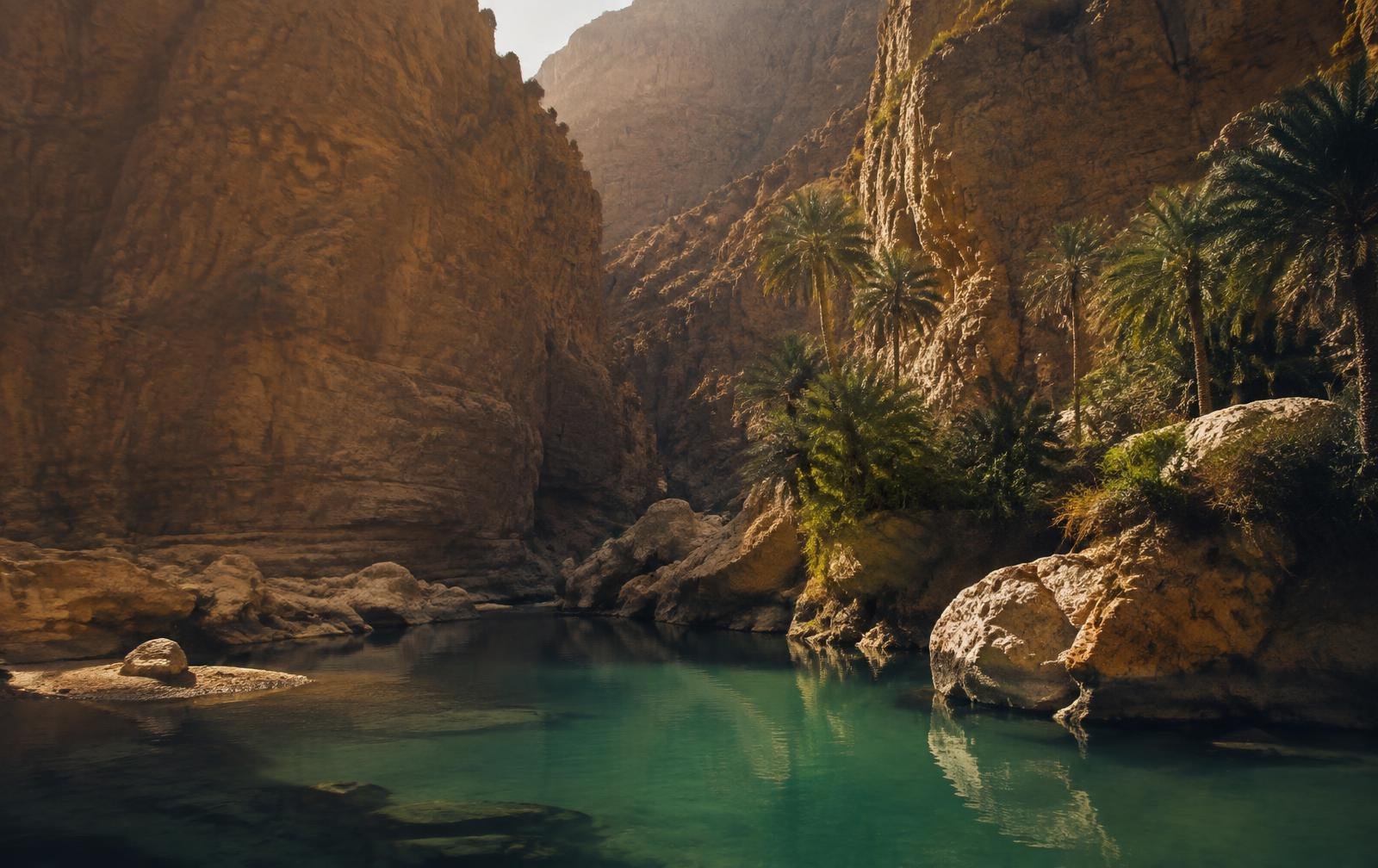
Follow the coast back to Muscat, stopping at Wadi Shab if weather, fitness and water conditions permit. Spend a final night in the capital before your flight home.
Tell us your dates and who is travelling. Our travel expert will call you with the best plan, hotels and price for Oman.