
Panaji beyond the waterfront
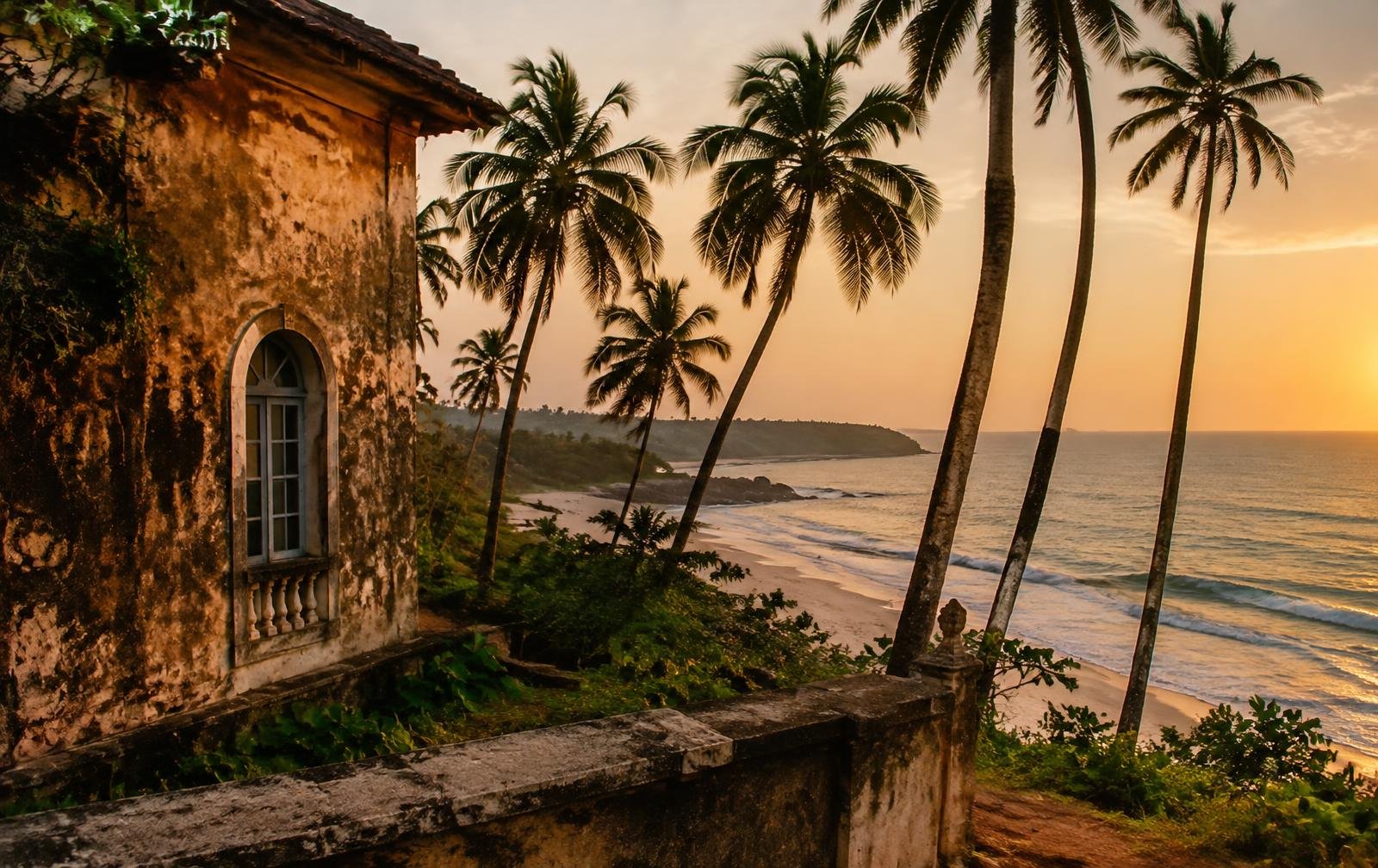
Walk through Fontainhas and São Tomé with a local guide, looking at domestic architecture and the neighbourhood’s changing relationship with tourism. These are residential streets, not an open-air museum.
Goa rewards a slower itinerary: river villages, Indo-Portuguese houses and long lunches, with the coast never far away.
Goa is best approached as a small, layered state rather than a single beach destination. Fontainhas has tiled doorways and neighbourhood bakeries; Divar offers ferry crossings and quiet village lanes; the south has broader sands and fewer late-night distractions. We plan around the Goa you want to inhabit, choosing a private house, arranging a reliable driver and leaving room for market mornings, Goan cooking and afternoons without appointments.
For most travellers, we suggest seven nights between November and March, usually with one base rather than repeated hotel moves. A cook-led villa stay can work particularly well for families, while couples may prefer a smaller house within reach of Panaji and the coast. The caveat is traffic: north Goa’s popular beach roads can be slow, and Christmas prices rise sharply.
Walk through Fontainhas and São Tomé with a local guide, looking at domestic architecture and the neighbourhood’s changing relationship with tourism. These are residential streets, not an open-air museum.
Cross the Mandovi to Divar for village lanes, church hill views and a slower account of Goan life. An early start makes walking more comfortable.
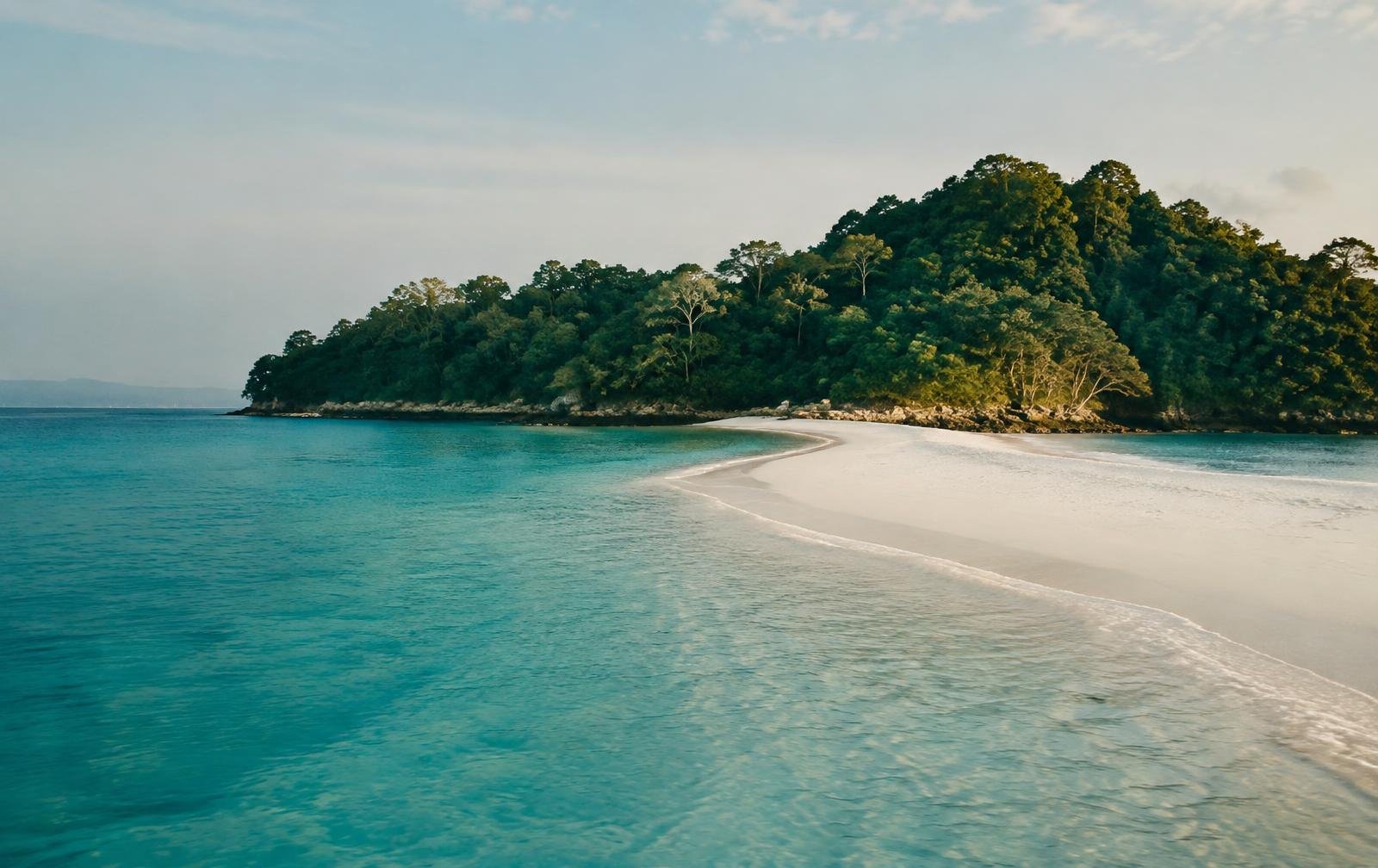
Use Arossim, Utorda or quieter stretches around Benaulim for beach walks and unhurried afternoons. Public access, fishing activity and seasonal visitors remain part of the setting.
Plan a session with a local cook around the season’s ingredients and your dietary preferences. Goan Hindu and Catholic cooking traditions differ; we establish the menu rather than treating the cuisine as one standard fish curry.
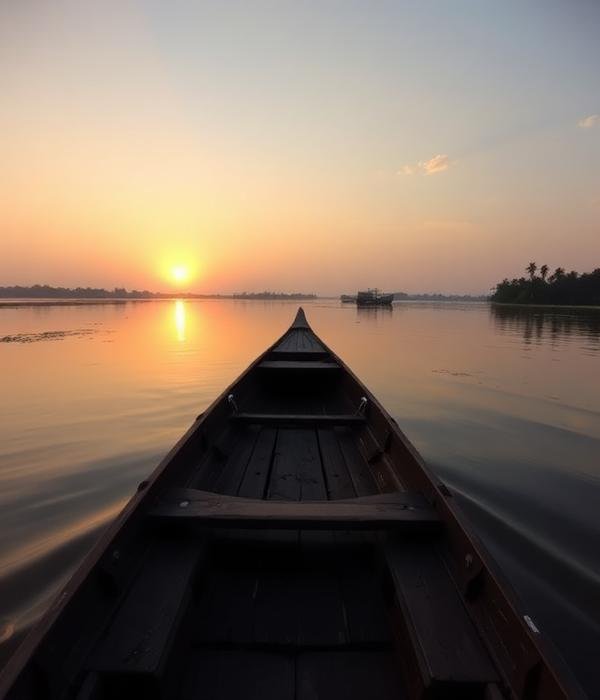
For travellers based in the north, arrange a ferry crossing and guided village walk on Divar. From a southern base, this is a longer excursion and works better as a replacement for another outing than an addition.
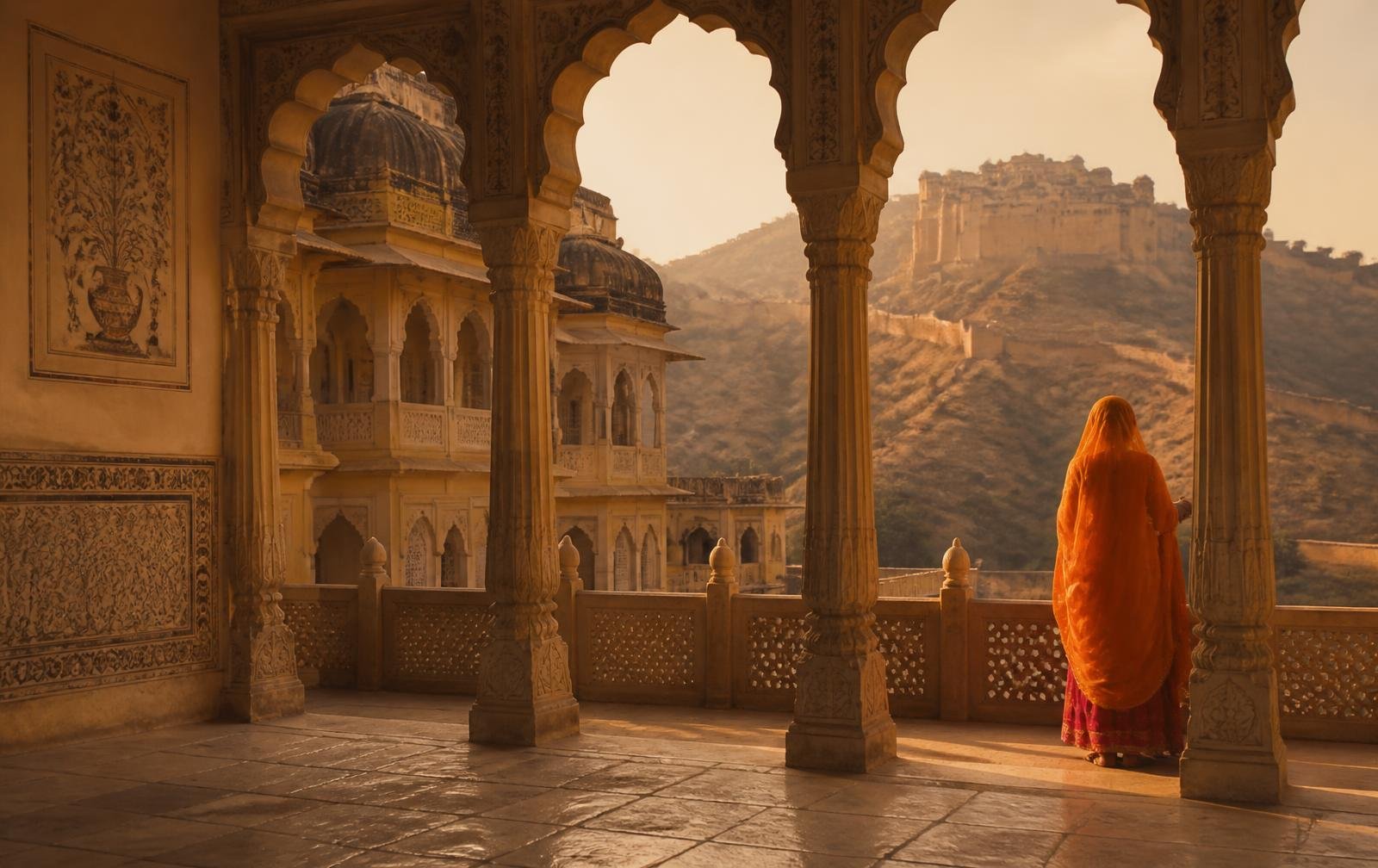
Explore a historic family home with permission and time for conversation. Opening arrangements can change, and photography may be restricted; the visit follows the household’s rules.
Arrange dinner at your house with dishes agreed in advance, perhaps prawn balchão, mushroom xacuti and bebinca. Seafood depends on availability, and vegetarian menus deserve equal attention.
We change every plan to suit you. Tell us what to add, remove or slow down.
Transfer to a private house near Arossim or Utorda, with the first afternoon left free. Spend the following morning on the beach, then meet your cook to discuss Goan dishes, spice levels and the week’s meals.
Visit Margao’s market in the morning for seasonal produce, spices and local breads. Return for a privately arranged cooking session focused on dishes such as fish caldine, vegetable foogath and a coconut-based curry.
Make an early departure for Old Goa’s Basilica of Bom Jesus and Sé Cathedral, subject to worship schedules and access. Continue to Panaji for lunch and a guided Fontainhas walk. This is the longest sightseeing day, with substantial driving from the south.
Stay close to Arossim: an early beach walk, time by the pool and lunch at the house. Swimming depends on sea conditions and lifeguard advice; a beach day need not mean entering the water.
Visit Chandor for an arranged visit to a historic Indo-Portuguese house, subject to the resident family’s availability. Discuss how these homes were built and maintained, then return via a leisurely lunch stop.
Keep the final full day flexible for Benaulim, another cooking session or simply the house. On departure day, allow a generous road buffer, particularly if flying from Manohar International Airport in the north.
Tell us your dates and who is travelling. Our travel expert will call you with the best plan, hotels and price for Goa.